Video Tag: NCTR Videos

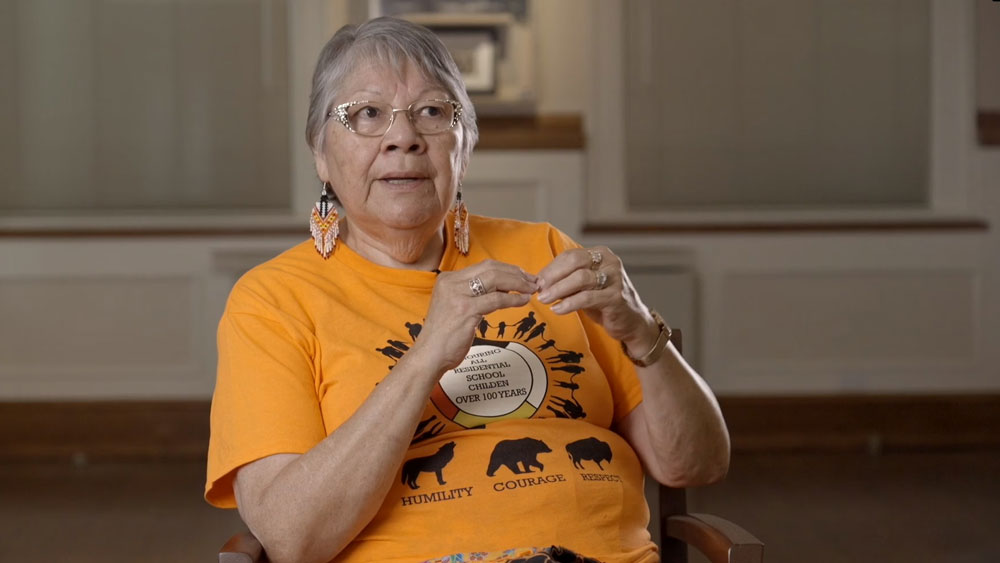
Wahkohtowin – Kinship

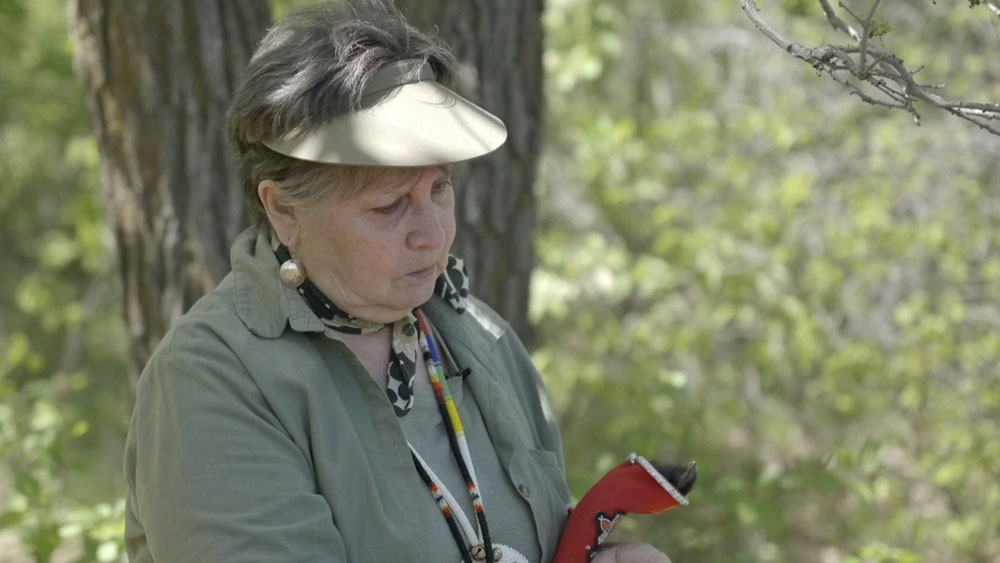
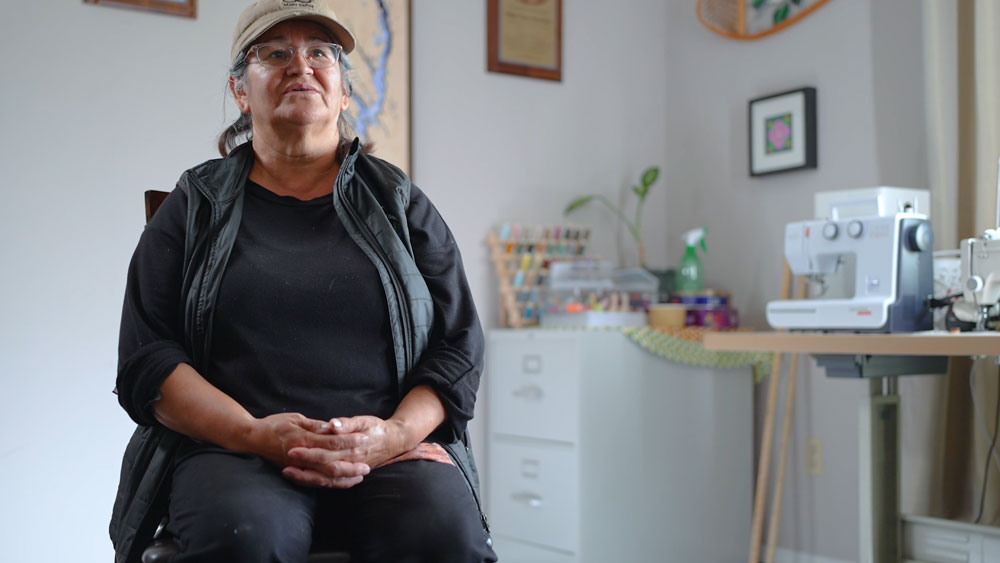
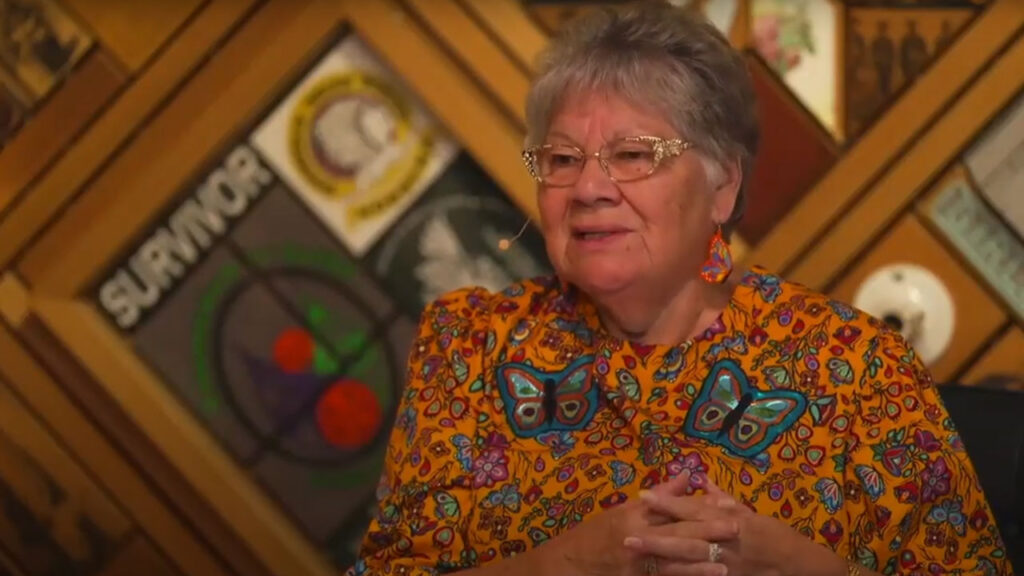
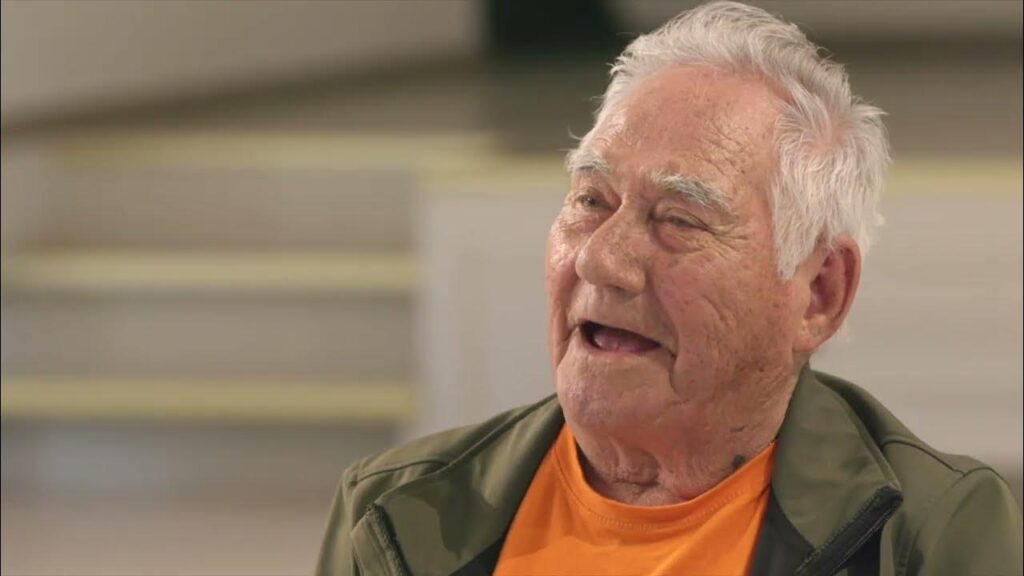
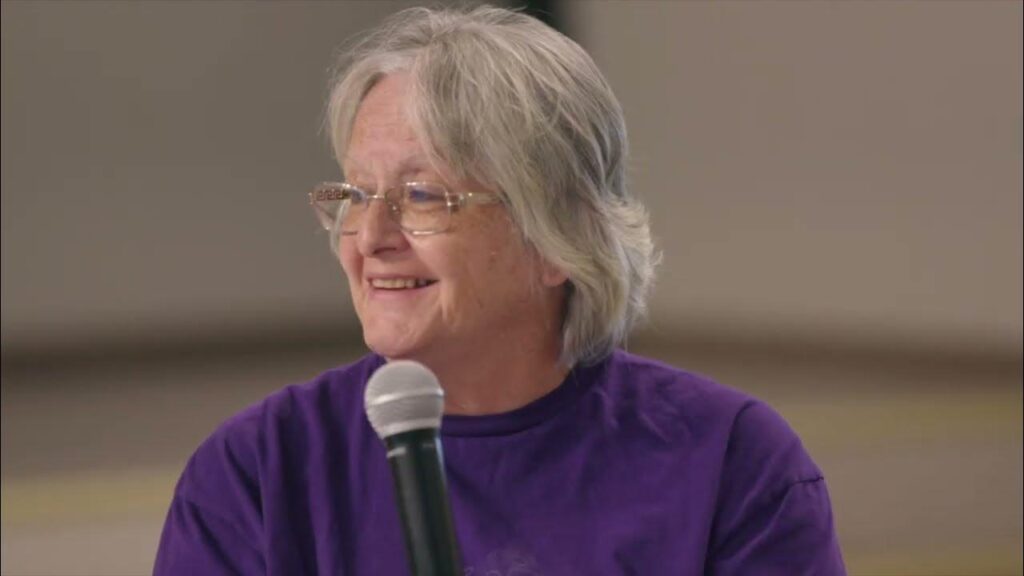
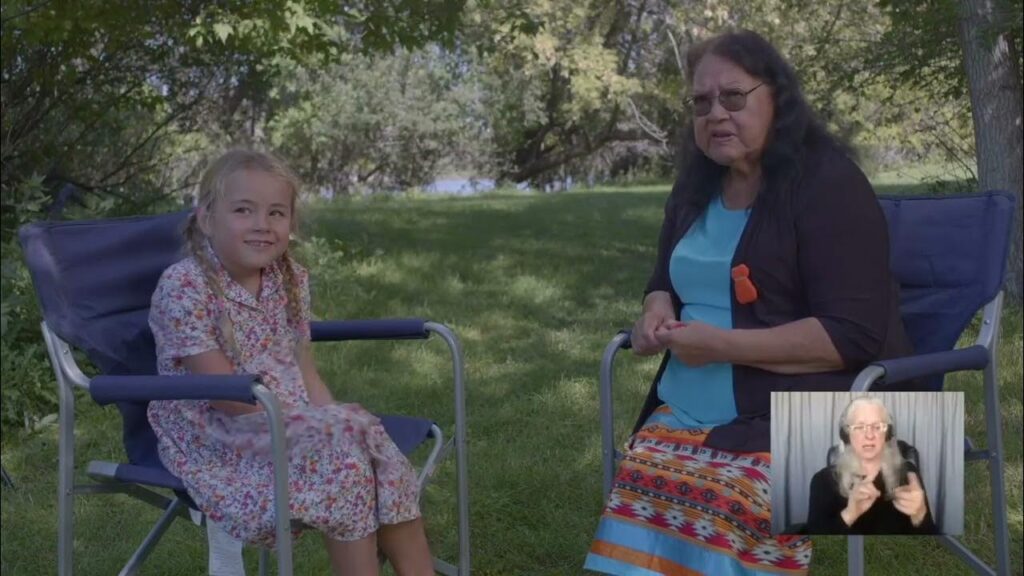
Elder and Residential School Survivor Belinda Vandenbroeck shares the concept of wahkohtowin (kinship).
Provided by
National Centre for Truth and Reconciliation

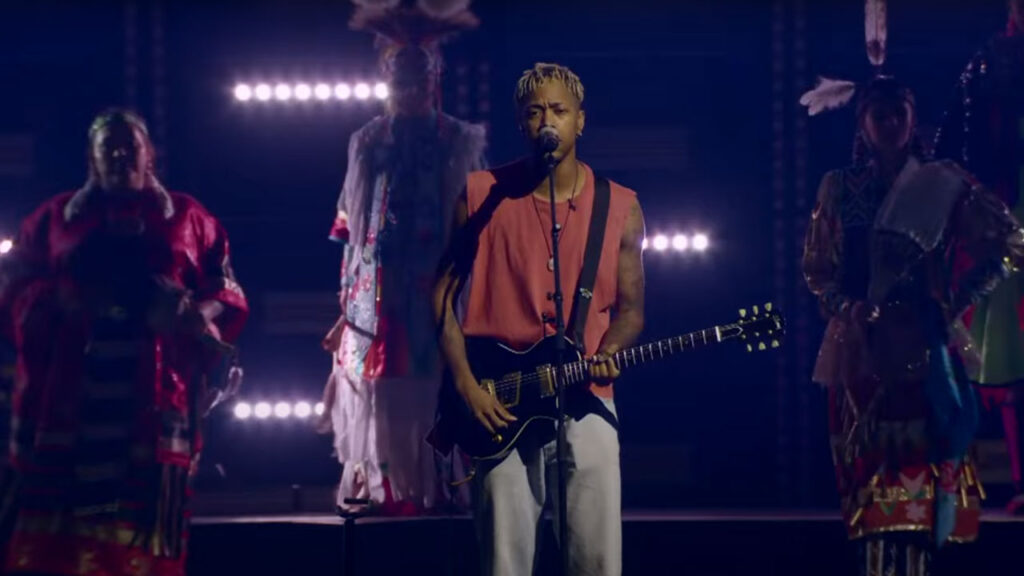
From Roots We Rise: A Youth Gathering 2026
This 2 hour live educational gathering is a highlight of NCTR’s Truth and Reconciliation Week programming and will immerse you in the rich tapestry of Indigenous culture, music, dance, and history...
Provided by
National Centre for Truth and Reconciliation

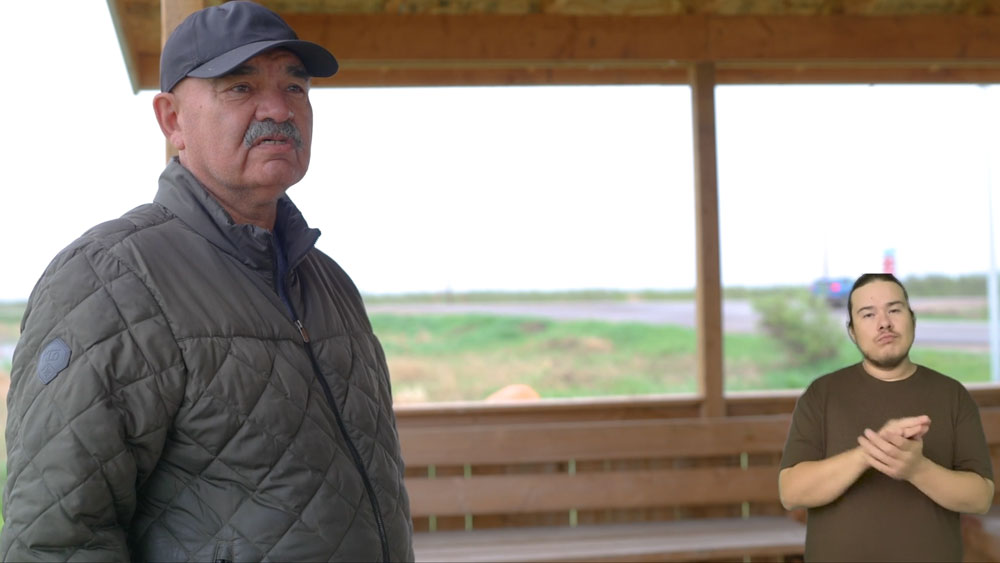
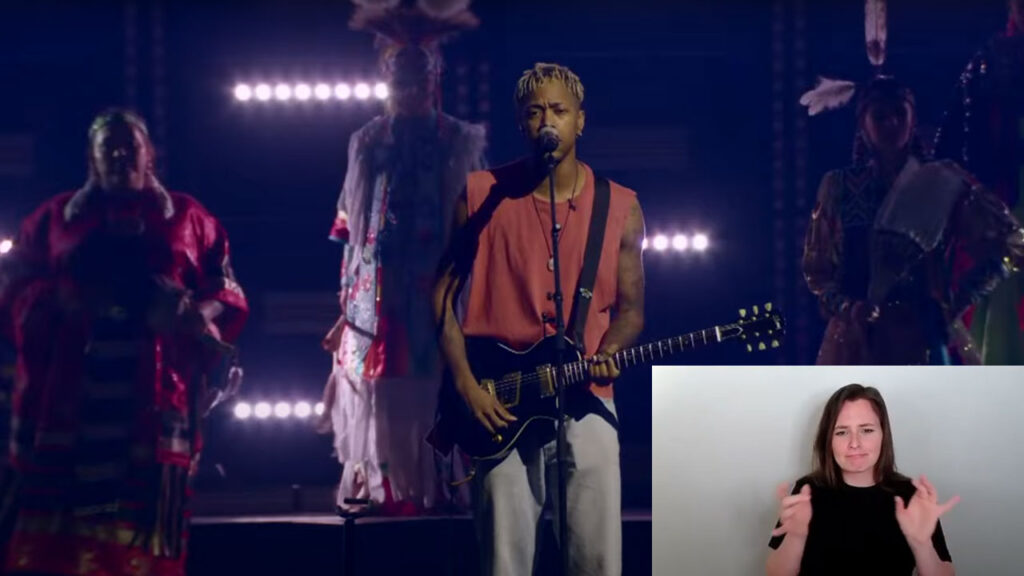
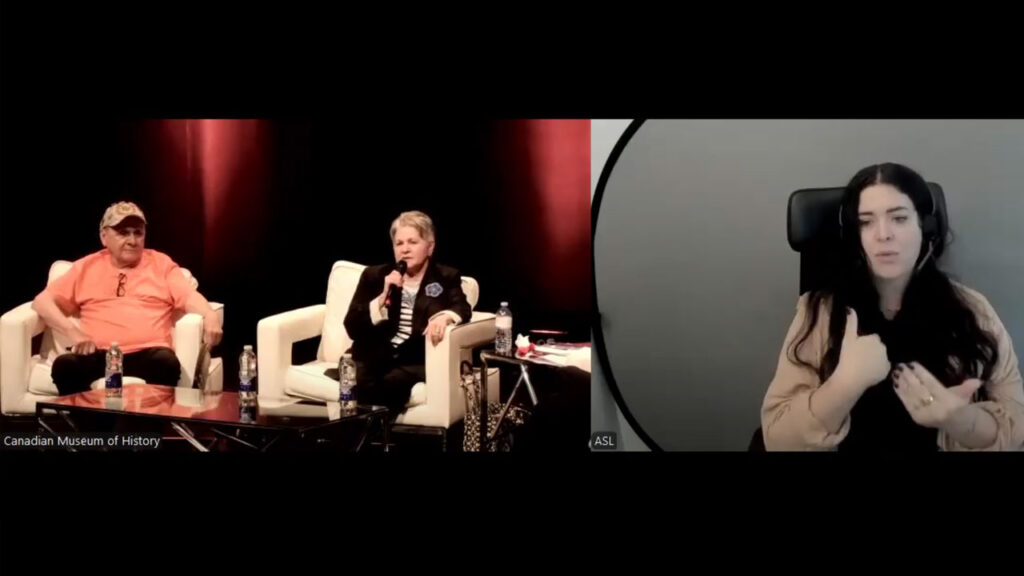
Northern Survivors of Île-à-la-Crosse: Stories of Strength, Loss, and Resilience (ASL)

Survivors Robert Malboeuf, Dwayne Desjarlais, and Angus Gardiner share powerful memories of childhood, community, and the lasting impacts of the mission and residential school in Northern Saskatchewan...
Provided by
National Centre for Truth and Reconciliation

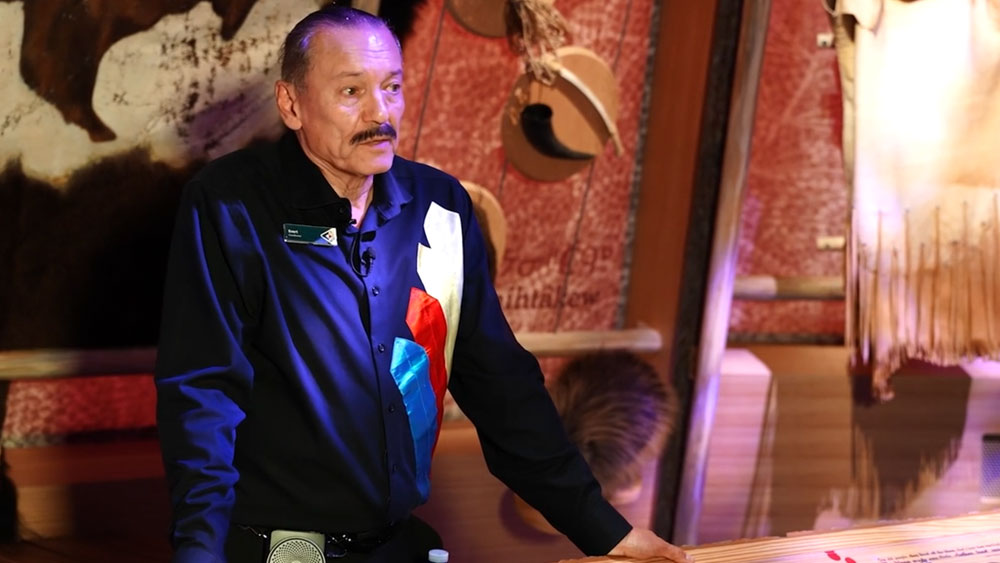
Fort Edmonton: Indigenous Voices and Living History

Through the Indigenous Peoples’ Experience at Fort Edmonton Park, Evert Poor, Indigenous Narrative Coordinator, shares stories that connect visitors to the histories, cultures, and values of the Indigenous Peoples...
Provided by
National Centre for Truth and Reconciliation

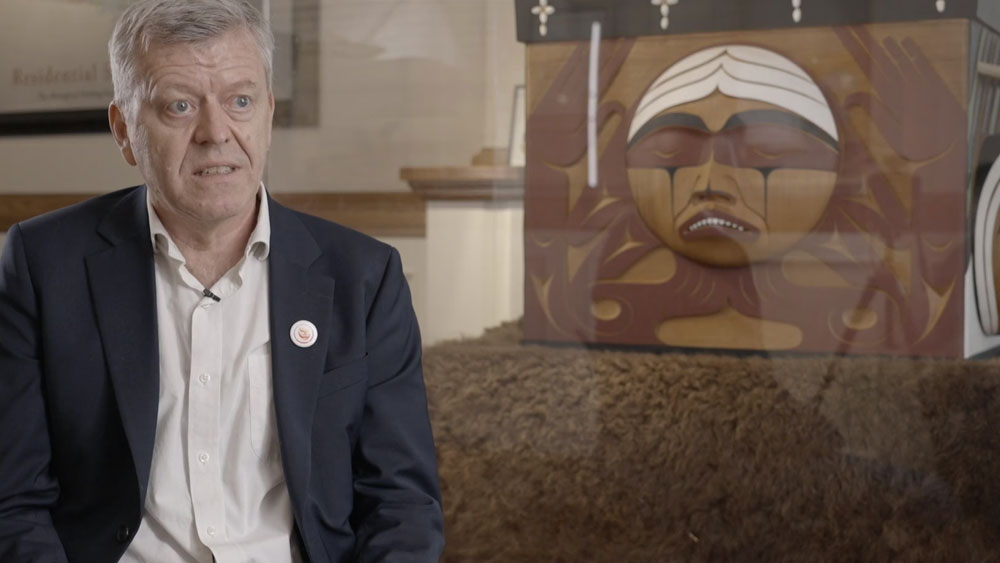
The Bentwood Box

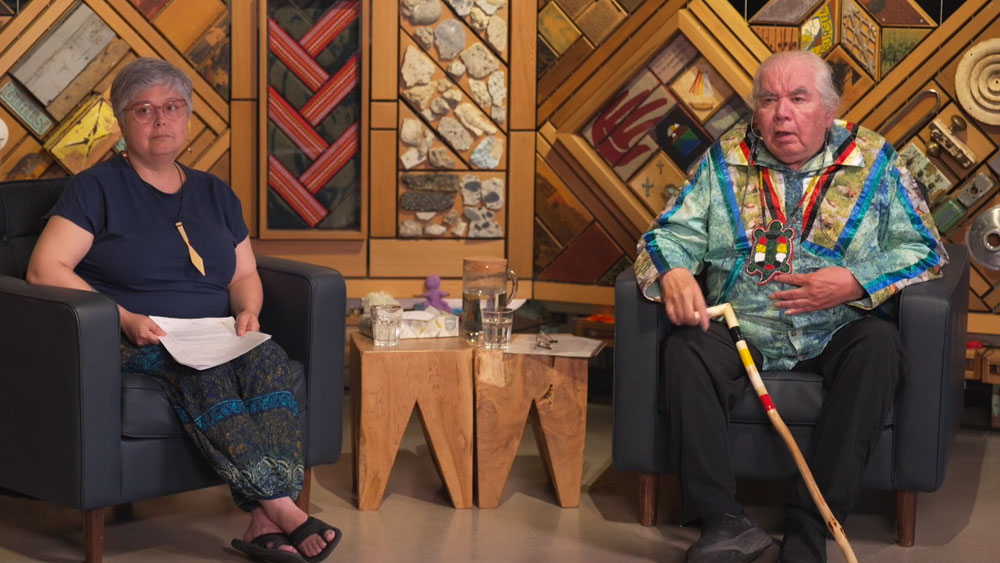
NCTR Head of Archives, Raymond Frogner, shares information about and the importance of the NCTR's Bentwood Box.
Provided by
National Centre for Truth and Reconciliation

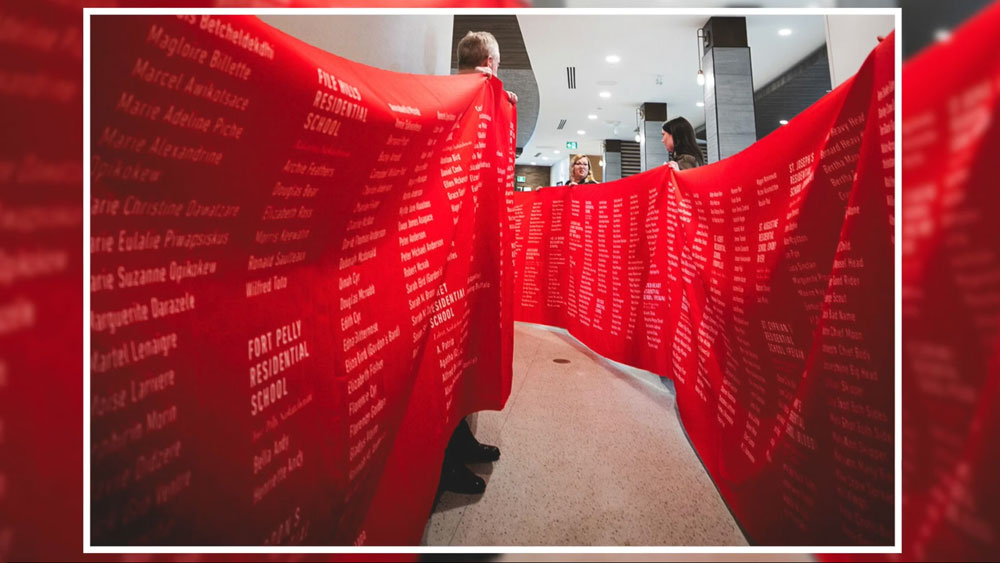
The Memorial Cloth

Learn about the NCTR's memorial cloth which represents over 4,000 children who died or went missing while attending residential school.
Provided by
National Centre for Truth and Reconciliation

The Importance of Ceremony

Elders Harry Bone, Florence Paynter, and Philip Paynter share the importance of ceremony when holding Indigenous events and speak to the pipe and water ceremonies and sacred fires.
Provided by
National Centre for Truth and Reconciliation

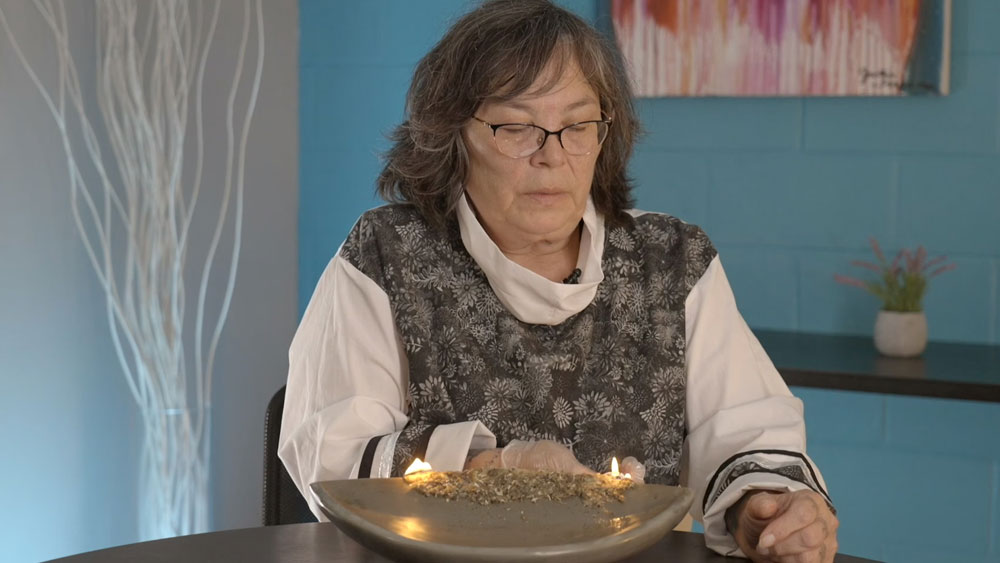
The Importance of Ceremony – Lighting the Qulliq

Director of Missing Inuit Children at Manitoba Inuit Association, Gayle Gluben shares the importance of lighting the qulliq in Inuit ceremony.
Provided by
National Centre for Truth and Reconciliation

Indigenous Stories and Books: When We Were Alone (ASL)

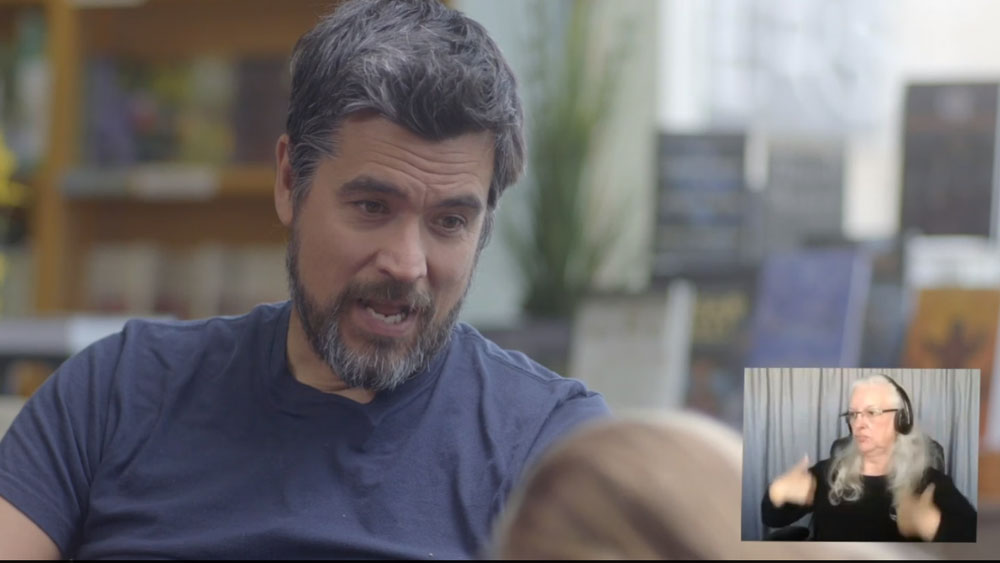
In this episode, Rose meets award-winning Indigenous author David R. Robertson to read and discuss When We Were Alone, a children's book inspired by the experiences of residential school Survivors.
Provided by
National Centre for Truth and Reconciliation

Indigenous Reclaim: Living Traditional Teachings and Sharing Knowledge

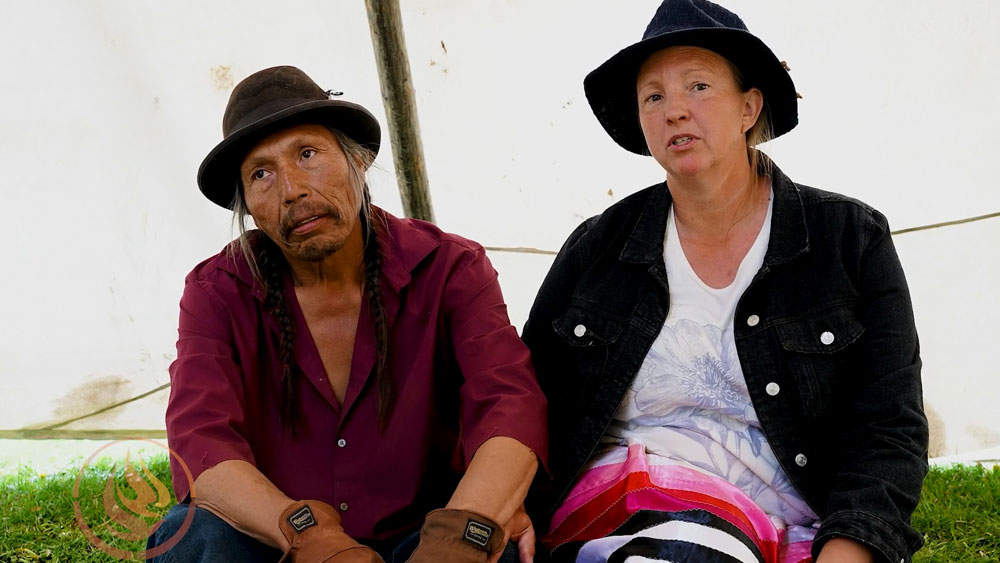
In this interview with Jonathan and Anna Adams of Indigenous Reclaim, they share how they learn, practice, and pass on Indigenous teachings received from Elders and family. From teepee teachings, hide tanning...
Provided by
National Centre for Truth and Reconciliation

Who We Are: The National Centre for Truth and Reconciliation

Get to know some of the people and purpose behind the National Centre for Truth and Reconciliation (NCTR), the organization entrusted with preserving the history and legacy of Canada's residential school system.
Provided by
National Centre for Truth and Reconciliation
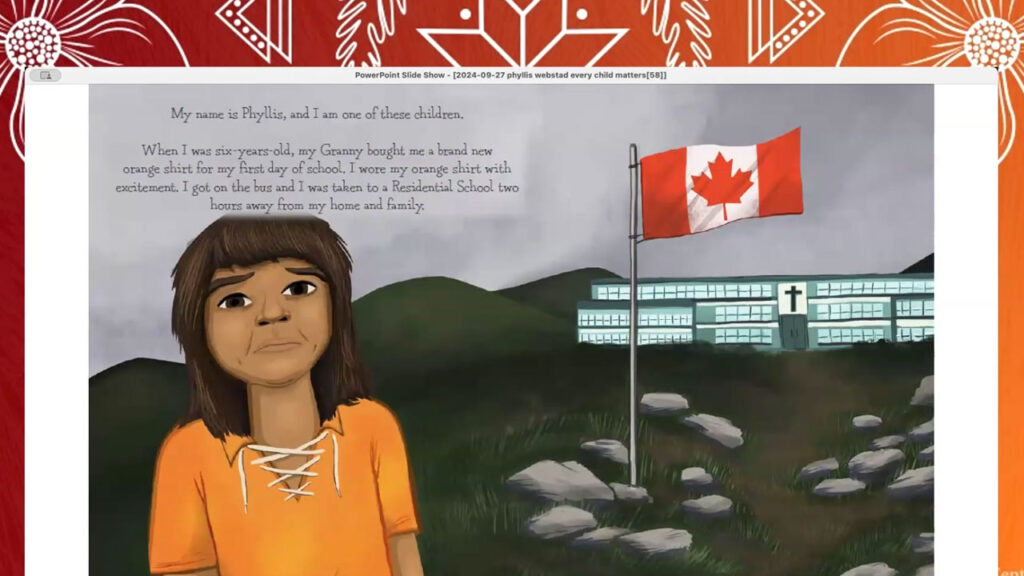
Phyllis Webstad reads Every Child Matters

Phyllis Webstad Reads Every Child Matters

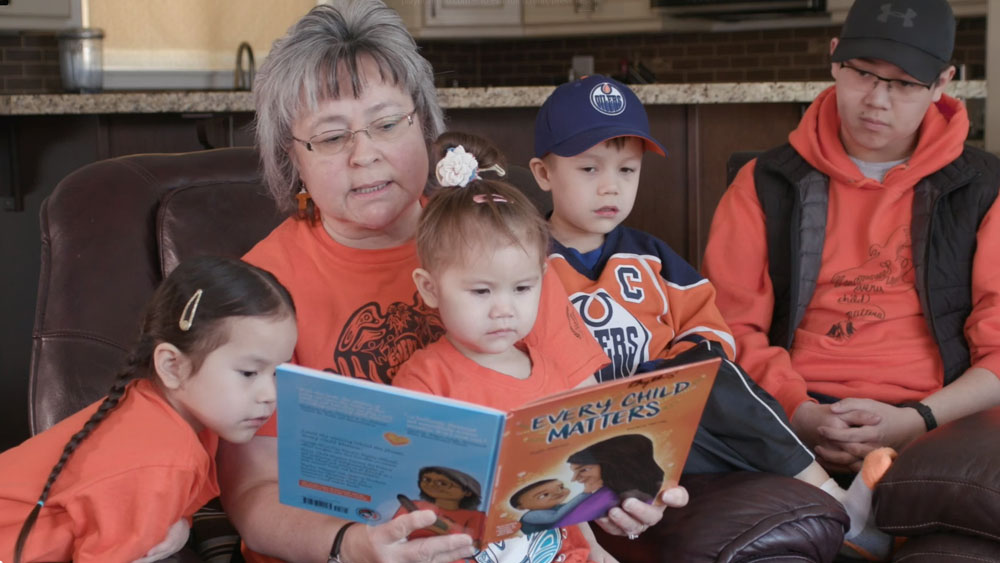
Join Residential School Survivor and author Phyllis Webstad as she reads from her book Every Child Matters.
Provided by
National Centre for Truth and Reconciliation

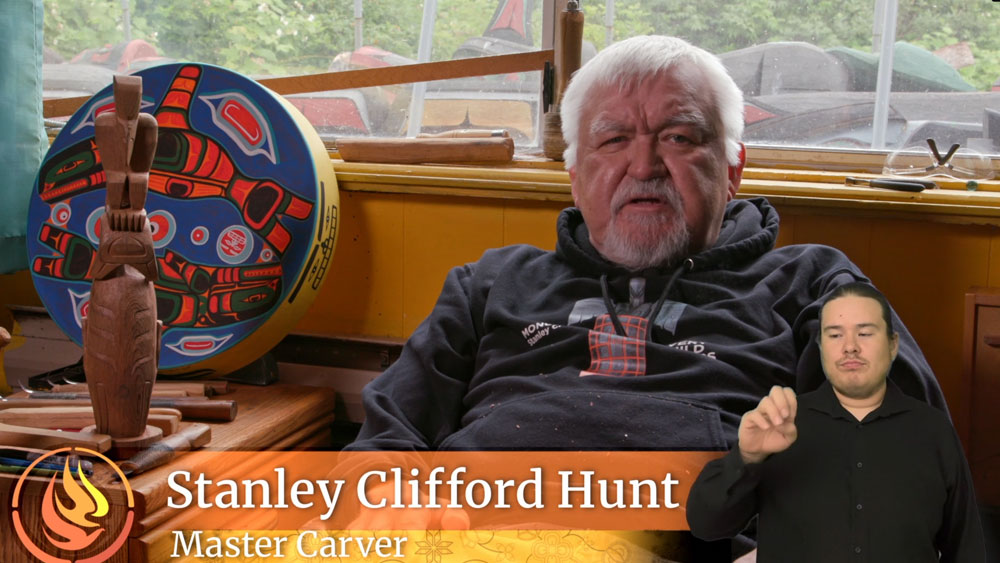
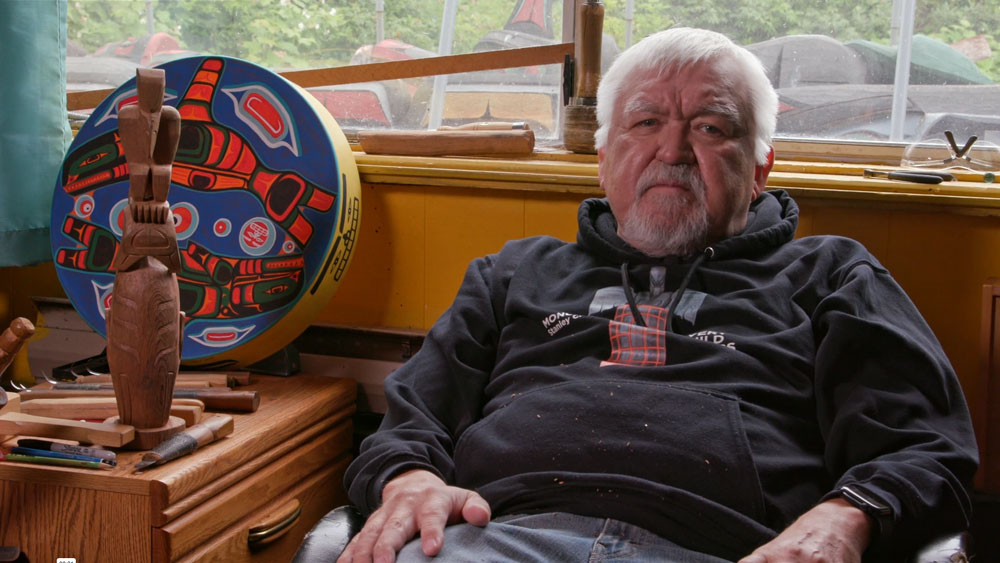
Stanley Hunt: Carving Truth into Memory (ASL)

Master Kwakwaka'wakw (Kwakiutl) artist Stanley Hunt reflects on a lifetime dedicated to traditional art, cultural teachings, and truth-telling. Inspired by the revelations of unmarked graves at former residential schools, Stanley created a powerful monument...
Provided by
National Centre for Truth and Reconciliation

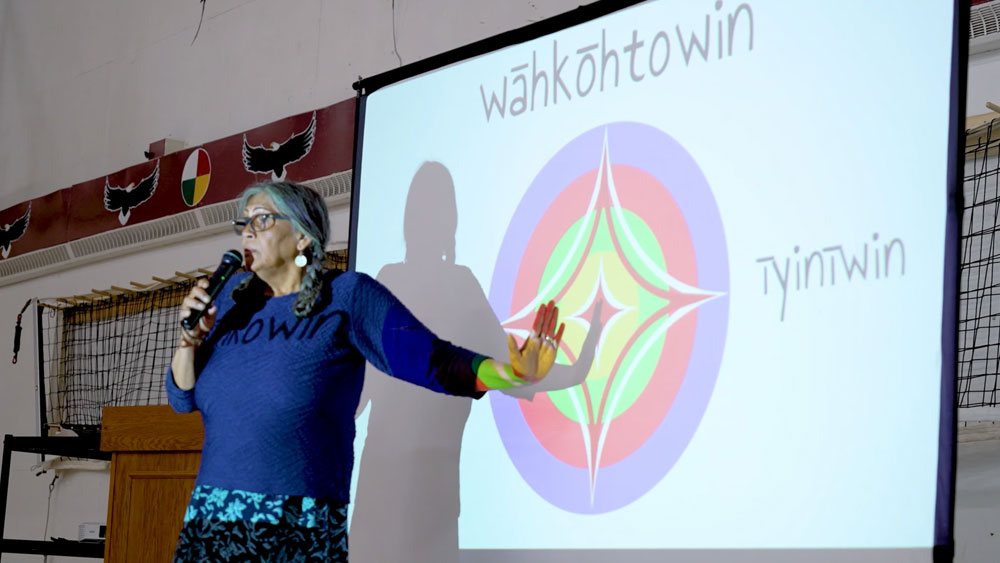
Nēhiyawēwin: The Spirit Wants to Hear the Language

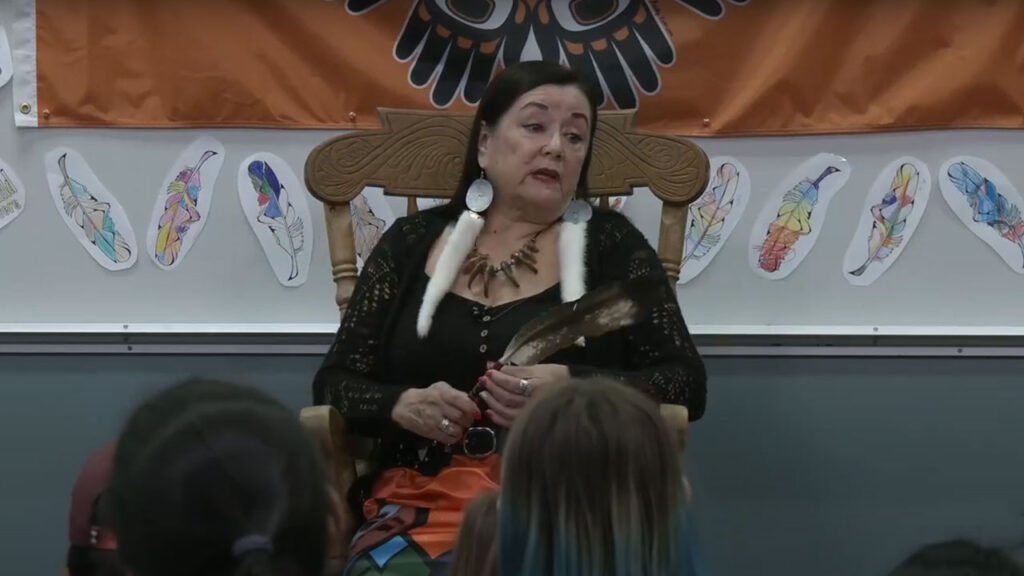
At the Sakewew High School in North Battleford, educator Celeste Tootoosis (Flying Eagle Woman) and Elder Senapan Thunder share the importance of language, culture, and the four parts of wâhkôhtowin (kinship).
Provided by
National Centre for Truth and Reconciliation

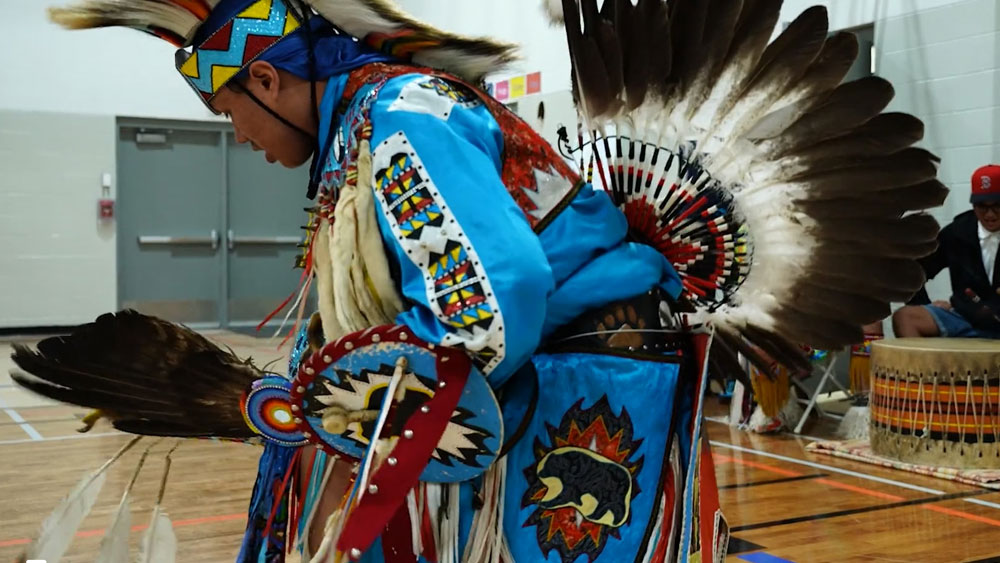
The Heartbeat of Powwow with Adrian and Kirra

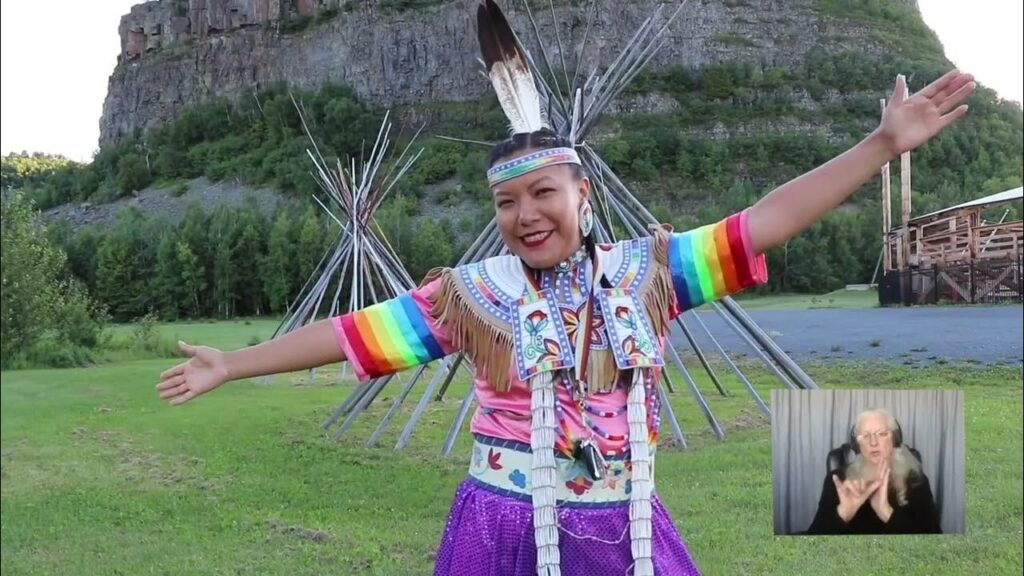
Powwow dancer and MC Adrian LaChance and jingle dress dancer Kirra Meetoos share their knowledge of powwow dance, culture, and community through personal stories and practical teachings...
Provided by
National Centre for Truth and Reconciliation

Creating Inclusive Spaces: Supporting Diverse Indigenous Identities

In this classroom conversation, Indigenous advocate and youth mentor Gabriel Taylor explores how to create safer, more inclusive spaces for diverse Indigenous and 2SLGBTQIA+ identities...
Provided by
National Centre for Truth and Reconciliation

Guided by the Ancestors: A Journey of Healing and Spirit

Survivor Barbara Cameron reflects on the profound impacts of residential school, her struggles with loss and disconnection, and the healing journey that followed.
Provided by
National Centre for Truth and Reconciliation

Listening to Truth: A Conversation with Elder Gary Robson

In this powerful classroom conversation at the Canadian Museum for Human Rights (CMHR), residential school Survivor and Elder Garry Robson shares memories of his childhood, his experiences in residential school...
Provided by
National Centre for Truth and Reconciliation

Who Are the Inuit? Culture, History, and Identity with Braden Kadlun

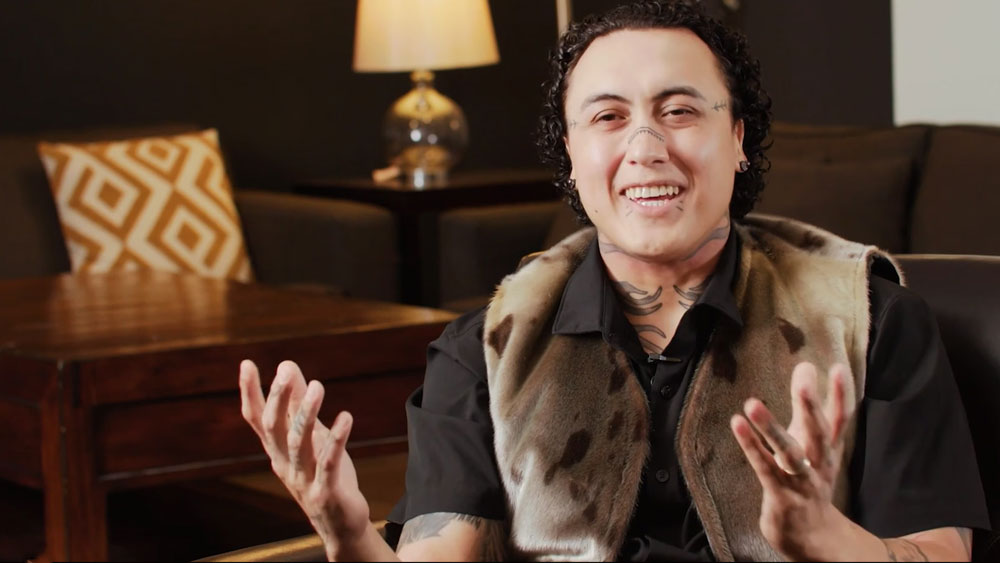
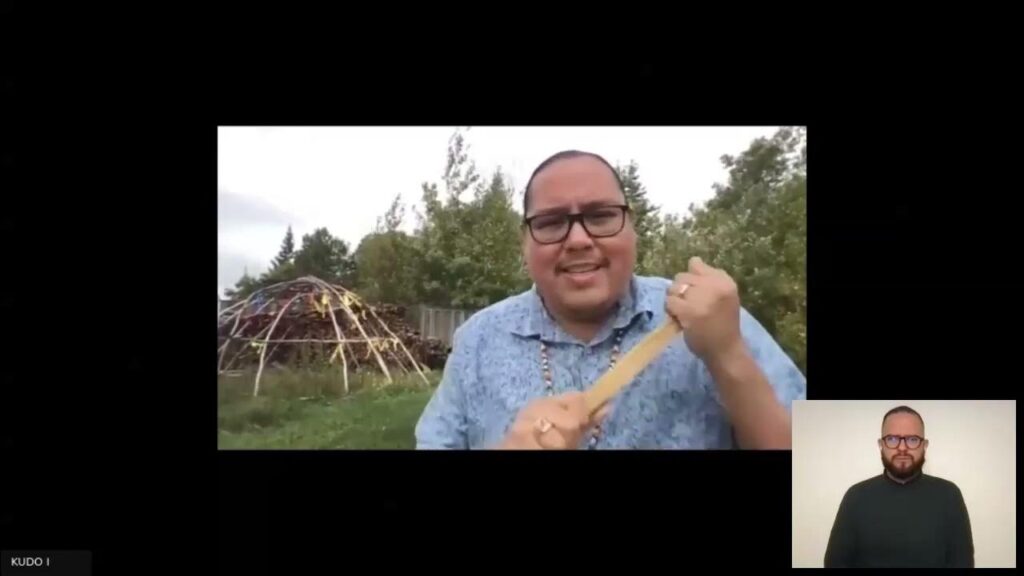
In this engaging video, Braden Kudlun, Inuk author and advocate, provides an introduction to Inuit history, culture, and identity across Inuit Nunangat. From traditional values, language, food, and innovations...
Provided by
National Centre for Truth and Reconciliation

La Lawng Michif: Pride in Who We Are, For Our Children

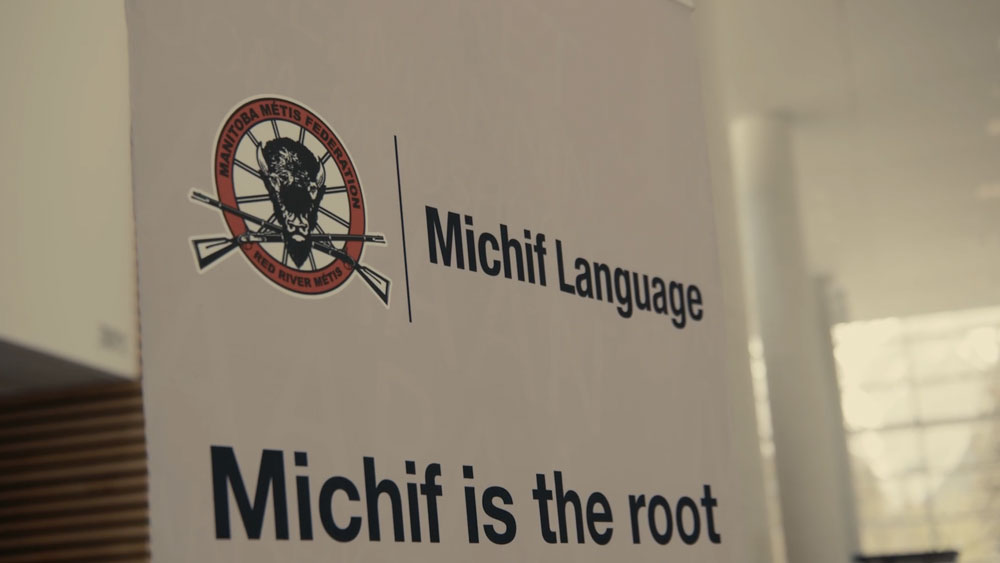
In the spring of 2026, Michif language learners, mentors, Elders, and Knowledge Keepers gathered together in Banff. Through stories of cultural reconnection and intergenerational learning, participants reflected...
Provided by
National Centre for Truth and Reconciliation

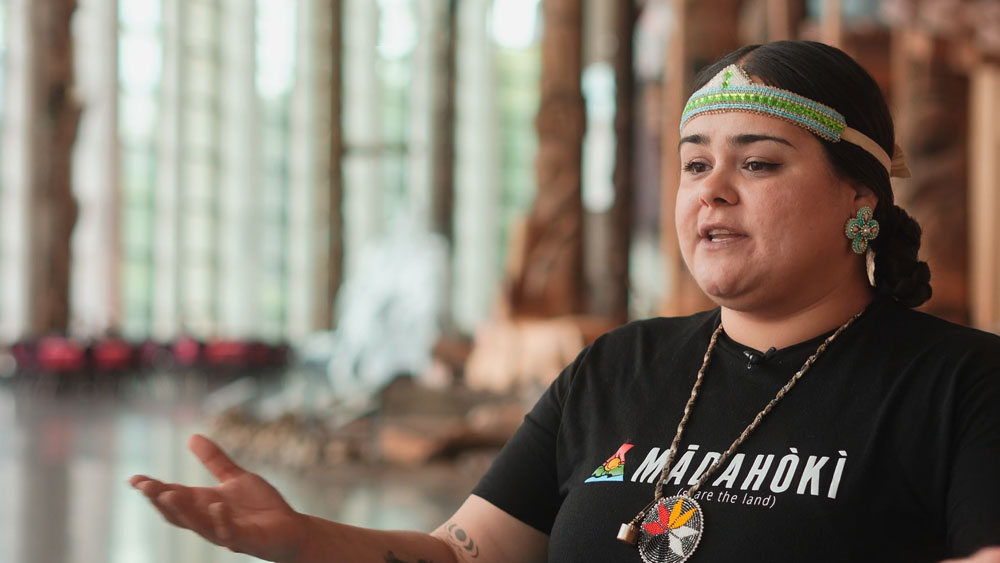
Mādahòkì Farm Celebration of Indigenous Culture

Educators at Madahòkì Farm work together to share and celebrate Indigenous cultures, languages, and identities while reflecting on the lasting impacts of colonial policies such as the Indian Act and residential schools...
Provided by
National Centre for Truth and Reconciliation

Stanley Hunt: Carving Truth into Memory

Master Kwakwaka'wakw (Kwakiutl) artist Stanley Hunt reflects on a lifetime dedicated to traditional art, cultural teachings, and truth-telling. Inspired by the revelations of unmarked graves...
Provided by
National Centre for Truth and Reconciliation

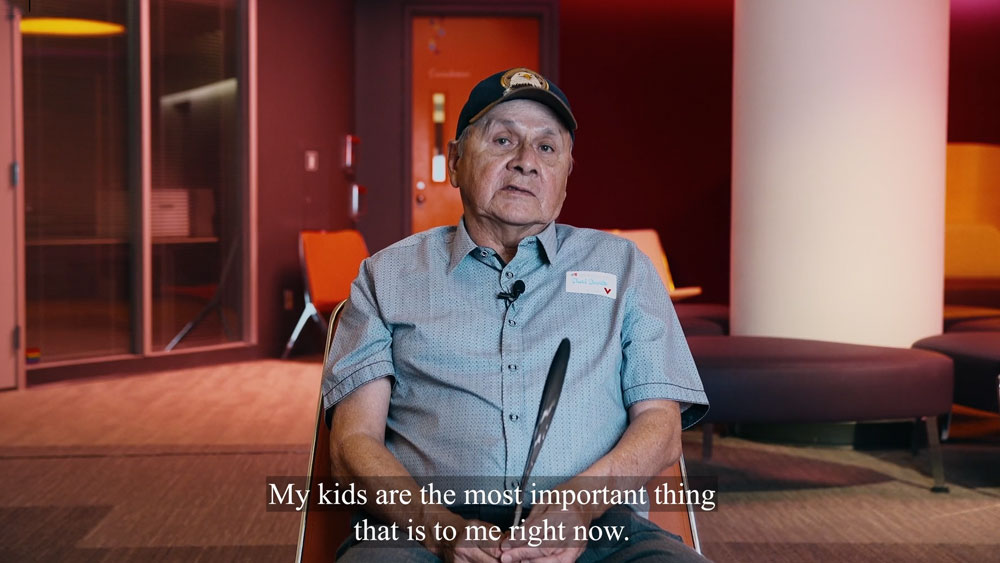
I Am a Survivor: David Decontie

Taken from his family at a young age, David Decontie, Survivor of St. Mary's Residential School (Kenora) and Pointe Bleue, shares the profound impact of the residential school system on his life...
Provided by
National Centre for Truth and Reconciliation

Northern Survivors of Île-à-la-Crosse: Voices of Survival and Healing

Survivors Dwayne Desjarlais, Jerry Gardiner, and Angus Gardiner speak about the loneliness, abuse, loss, and lasting trauma they experienced within the residential school system.
Provided by
National Centre for Truth and Reconciliation

Northern Survivors of Île-à-la-Crosse: Reclaiming Language, Culture, and Truth

Survivors Edna Daigneault, Dwayne Desjarlais, and Robert Malboeuf reflect on life before and during residential school, sharing memories of growing up on the land, speaking their language...
Provided by
National Centre for Truth and Reconciliation

Northern Survivors of Île-à-la-Crosse: Stories of Strength, Loss, and Resilience

Survivors Robert Malboeuf, Dwayne Desjarlais, and Angus Gardiner share powerful memories of childhood, community, and the lasting impacts of the mission and residential school in Northern Saskatchewan...
Provided by
National Centre for Truth and Reconciliation

Breaking the Silence: John Jones’ Journey of Healing, Leadership, and Hope

John Jones (Tseqalmit), Survivor of the Alberni Residential School, shares a deeply personal story of loss, resilience, and healing from the trauma and grief ...
Provided by
National Centre for Truth and Reconciliation

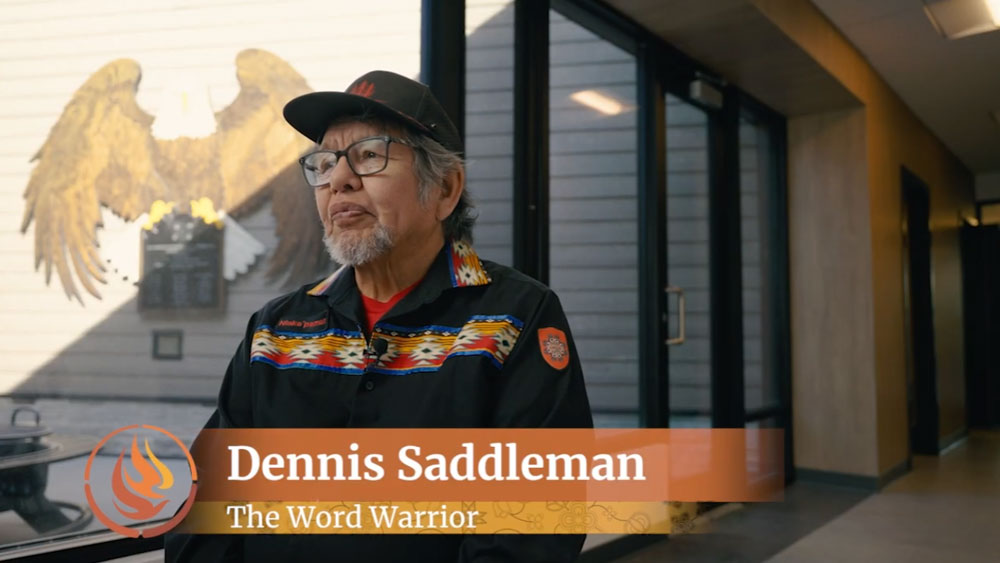
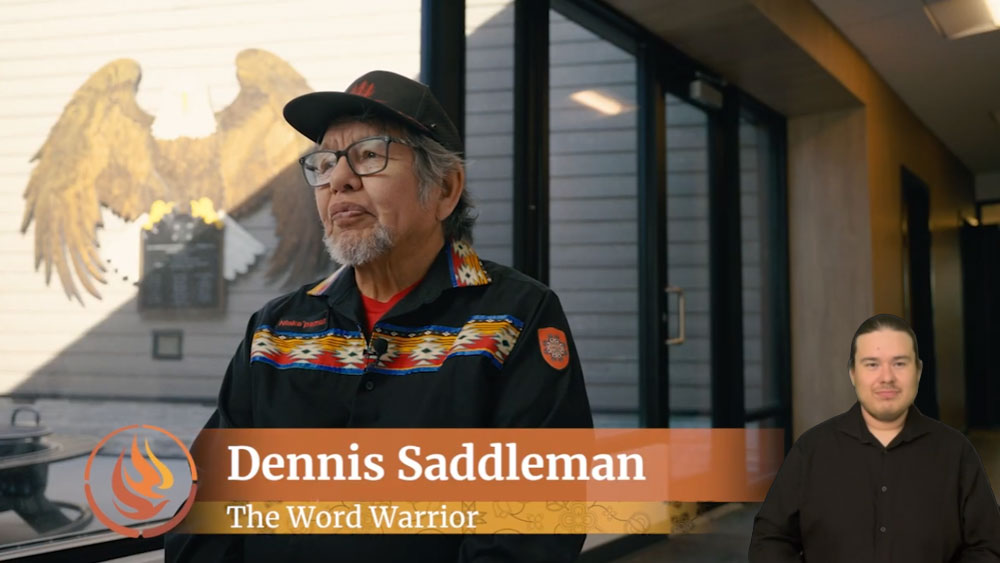
Dennis Saddleman: From Residential School to Word Warrior

Dennis Saddleman, a Survivor of the Kamloops Residential School, shares how through sobriety, forgiveness, cultural connections, arts and poetry...
Provided by
National Centre for Truth and Reconciliation

Dennis Saddleman: From Residential School to Word Warrior (ASL)

Dennis Saddleman, a Survivor of the Kamloops Residential School, shares how through sobriety, forgiveness, cultural connections, arts and poetry...
Provided by
National Centre for Truth and Reconciliation

Phyllis Webstad reads Every Child Matters

Join Residential School Survivor and author Phyllis Webstad as she reads from her book Every Child Matters and talks about her life before, during, and after residential school.
Provided by
National Centre for Truth and Reconciliation

A Conversation with Albert McLeod

Elder Albert McLeod, a Two Spirit Knowledge Keeper, together with Witness Lola Whonnock, speaks on the impacts of residential and day schools on Two Spirit people and gender identity in Indigenous communities.
Provided by
National Centre for Truth and Reconciliation

A Conversation with Monica Ittusardjuat

Survivor Monica Ittusardjuat, born in the winter camp Akkimaniq and having attended three residential schools, shares her experiences, her resilience and connection to her Inuit identity...
Provided by
National Centre for Truth and Reconciliation

A Conversation with Dickie Yuzicapi

Survivor Francis Dickie Yuzicapi, of Plains heritage including Ojibway, Cree, Métis, and Dakota, shares his experiences highlighting the legacy of residential schools...
Provided by
National Centre for Truth and Reconciliation

A Conversation with Claudette Commanda and David Decontie

Survivors David Decontie and Claudette Commanda share their experiences, highlighting the legacy of residential and day schools, their resilience and connection to their identities...
Provided by
National Centre for Truth and Reconciliation

A Conversation with Phyllis Webstad

Phyllis Webstad, founder of the Orange Shirt Society, shares her experiences and raises awareness about residential schools, featuring drummers, a welcome from Chief Aaron Pete, and a closing Sto:lo women’s song...
Provided by
National Centre for Truth and Reconciliation

A Conversation with Brian Normand

Day school Survivor Brian Normand, a descendant of the Red River Settlement, shares his story on the legacy of residential schools, his resilience and Métis identity, and the role of youth in advancing truth and reconciliation.
Provided by
National Centre for Truth and Reconciliation

A Conversation with Madeleine Basile

Madeleine Basile, Survivor from the Conseil de la Nation Atikamekw in Wemotaci, shares her story, reflecting on the legacy of residential schools, her resilience and identity...
Provided by
National Centre for Truth and Reconciliation

A Conversation with Belinda Vandenbroek

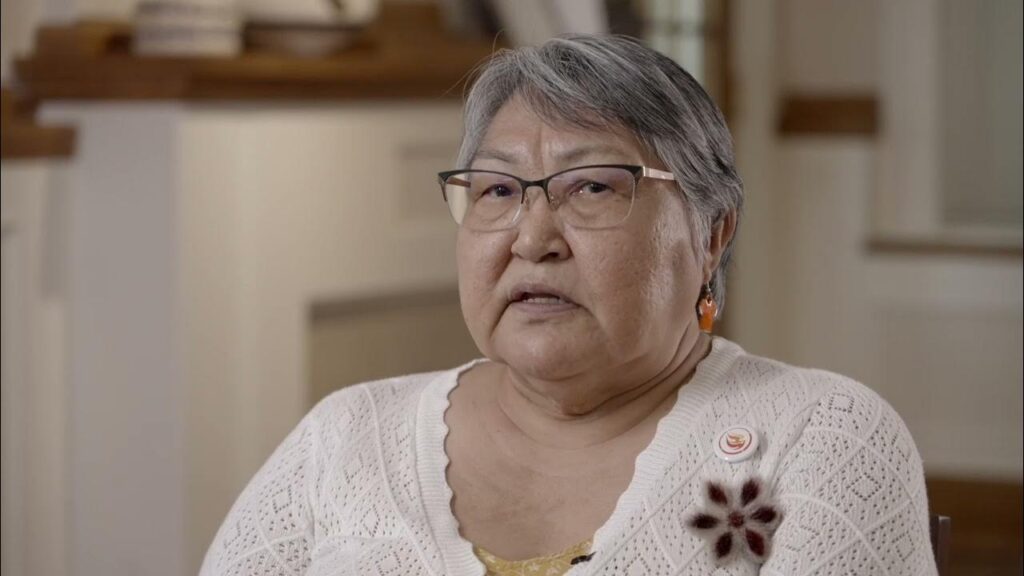
Belinda VandenBroek, Survivor from Opaskwayak Cree Nation, shares her story highlighting the legacy of colonial schooling systems, the resilience of Indigenous Peoples, and the role of youth in advancing truth and reconciliation.
Provided by
National Centre for Truth and Reconciliation

A Conversation with Linda McCullough

Linda McCullough, Survivor from Northern Saskatchewan, shares her story, highlighting the legacy of residential schools, the strength of her Métis identity, and the vital role of youth in advancing truth and reconciliation.
Provided by
National Centre for Truth and Reconciliation

“The Gifts We Carry” Youth Empowerment Gathering 2025 (ASL)

This 140-minute live educational gathering (with ASL interpretation) will immerse you in the rich tapestry of Indigenous culture, music, dance, and history while honouring Residential School Survivors.
Provided by
National Centre for Truth and Reconciliation

“The Gifts We Carry” Youth Empowerment Gathering 2025

This 140-minute live educational gathering will immerse you in the rich tapestry of Indigenous culture, music, dance, and history while honouring Residential School Survivors.
Provided by
National Centre for Truth and Reconciliation

Recovering from the Impacts of Residential School

Survivor Dennis Saddleman, poet and Word Warrior, touches on the long lasting mental and physical health effects of residential school...
Provided by
National Centre for Truth and Reconciliation

History of Day Schools

Survivor Dennis Thompson explains the history of Indian Day School and finding the records to his school in Camperville, Manitoba.
Provided by
National Centre for Truth and Reconciliation

My Day School Experience

Survivor Dennis Thompson talks about his earlier years in residential school and being taken into the foster care system.
Provided by
National Centre for Truth and Reconciliation

Distant Connections

Survivor Levinia Brown discusses the impact of residential school on language through generations from an Inuit perspective.
Provided by
National Centre for Truth and Reconciliation

Expression Through Art

Survior Antoine Mountain discusses creative expression taught to him by his grandparents and his higher education experience in obtaining a PhD.
Provided by
National Centre for Truth and Reconciliation

Breaking the Silence

Survivor John Jones talks breaking the silence and the court proceedings on residential schools.
Provided by
National Centre for Truth and Reconciliation

Away From Home and Language

Survivor Dorene Bernard discusses the impact of being in residential school so far from home and loss of language....
Provided by
National Centre for Truth and Reconciliation

Life in Residential Day School

Survivor Edna Elias speaks about daily life in Residential and Day School; Writing letters back home and reading her family’s writing.
Provided by
National Centre for Truth and Reconciliation

Residential School Impacts on My 2Spirit Identity

Survivor Laurie McDonald shares about life being raised by three powerful women; Being accepted as 2 Spirit and what that means for tradition and ceremony.
Provided by
National Centre for Truth and Reconciliation

Anishinaabe Ancestral Knowledge

Survivor Barb Cameron discusses ancestral knowledge and living on the land to survive Residential School.
Provided by
National Centre for Truth and Reconciliation

History of the NCTR

Survivor Eugene Arcand discusses the early years of the NCTR, discovering the first unmarked graves, and the future.
Provided by
National Centre for Truth and Reconciliation

Be an Upstander for Truth and Reconciliation

This session is an introduction to the Canadian Museum for Human Rights’ Be an Upstander program.
Provided by
National Centre for Truth and Reconciliation

Survivor Lessons from Shubenacadie

Dorene Bernard, Residential School Survivor of the Shubenacadie Residential School, will lead an intermediate level discussion...
Provided by
National Centre for Truth and Reconciliation

Residential School, Indigenous History, and Cultural Reclamation with Wapikoni – Session 2

In session two, Xan will introduce a selection of short films to learn more about Indigenous history, geography...
Provided by
National Centre for Truth and Reconciliation

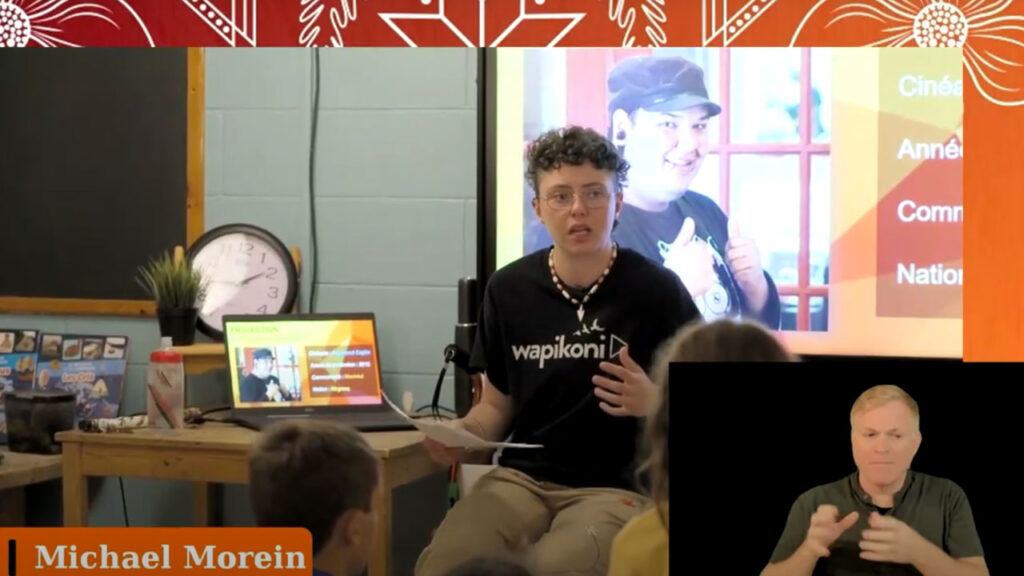
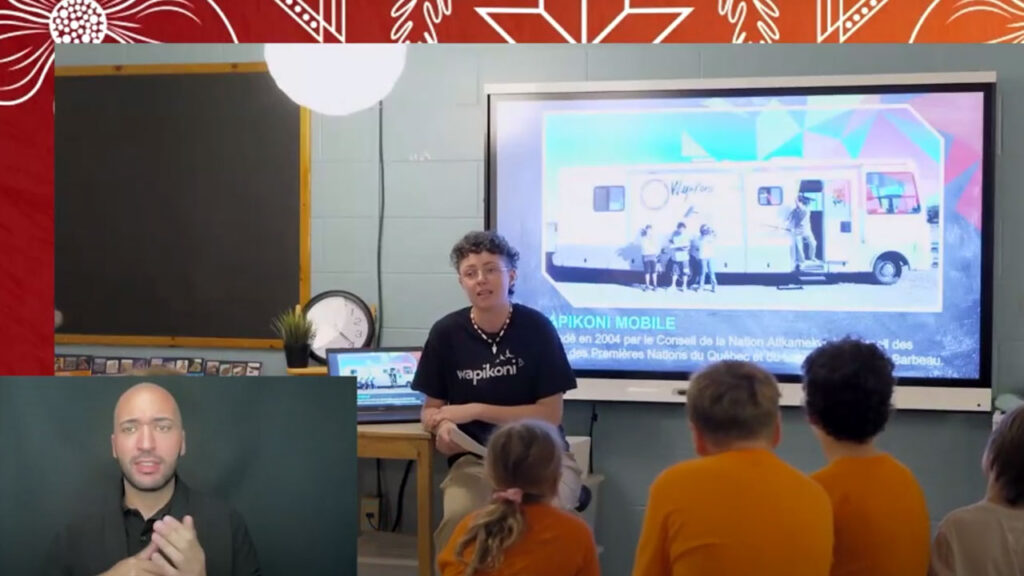
Residential School, Indigenous History, and Cultural Reclamation with Wapikoni – Session 1

In session one of this beginner workshop, Xan will present on Wapikoni Mobile and its mission, history, and progress.
Provided by
National Centre for Truth and Reconciliation

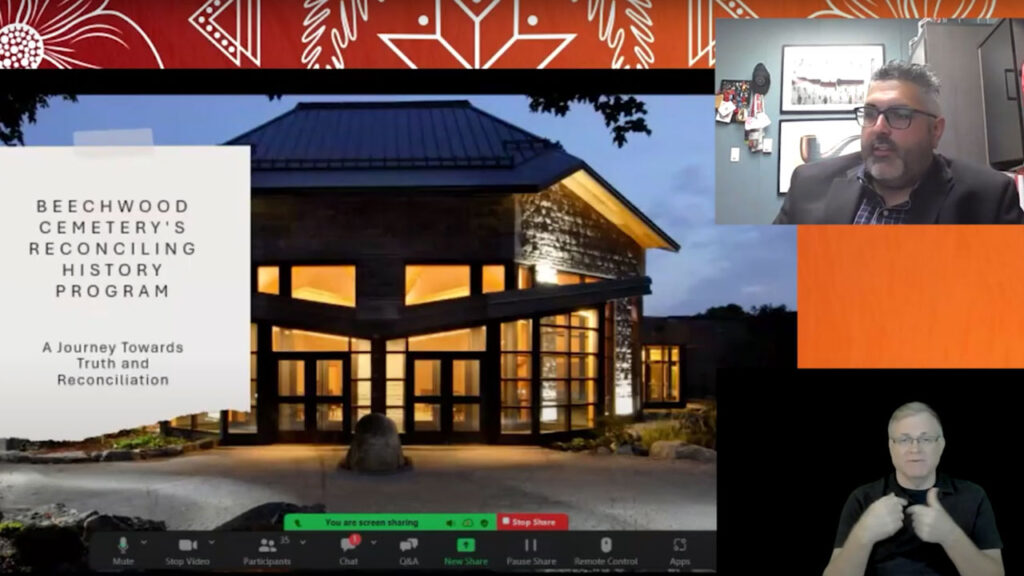
Telling a Fuller History – the story of Reconciliation at the National Cemetery of Canada

In this intermediate session, Nick McCarthy, Director of Communications, Marketing and Community Outreach at Beechwood Cemetery...
Provided by
National Centre for Truth and Reconciliation

Reclaiming my Identity with Brian

Survivor Brian Normand talks about reclaiming his Métis cultural identity after leaving school.
Provided by
National Centre for Truth and Reconciliation

More Than an Apple Part 2

Survivors and Elders Diane Hill, John Elliott, and Roberta Hill participate in a sharing circle...
Provided by
National Centre for Truth and Reconciliation

More Than an Apple Part 1

Survivors and Elders Diane Hill, John Elliott, and Roberta Hill participate in a sharing circle...
Provided by
National Centre for Truth and Reconciliation

Indigenous Music, Songs, and Dance (ASL)

Three Indigenous artists highlight their work and share their experiences through music and dance.
Provided by
National Centre for Truth and Reconciliation

Indigenous Heritage and Identity (ASL)

Michael R. Denny shares the importance of Mi’kmaq ceremonies for his people. Galt Museum guest curator...
Provided by
National Centre for Truth and Reconciliation

Actions Toward Reconciliation and Indigenous Children and Youth (ASL)

Madelaine McCracken (Caring Society) and Mary the Bear introduce a video about the story behind Jordan’s Principle...
Provided by
National Centre for Truth and Reconciliation

Indigenous Music and Songs (ASL)

Artist Cody Coyote talks about his music and how it is meant to evoke discussion...
Provided by
National Centre for Truth and Reconciliation

Identity and Heritage: Walking in Two Worlds (ASL)

Survivor and Elder Laurie McDonald shares their life story and the meaning of walking in two worlds...
Provided by
National Centre for Truth and Reconciliation

Reconciliation and Sport: Pawâtêtân Basketball Court

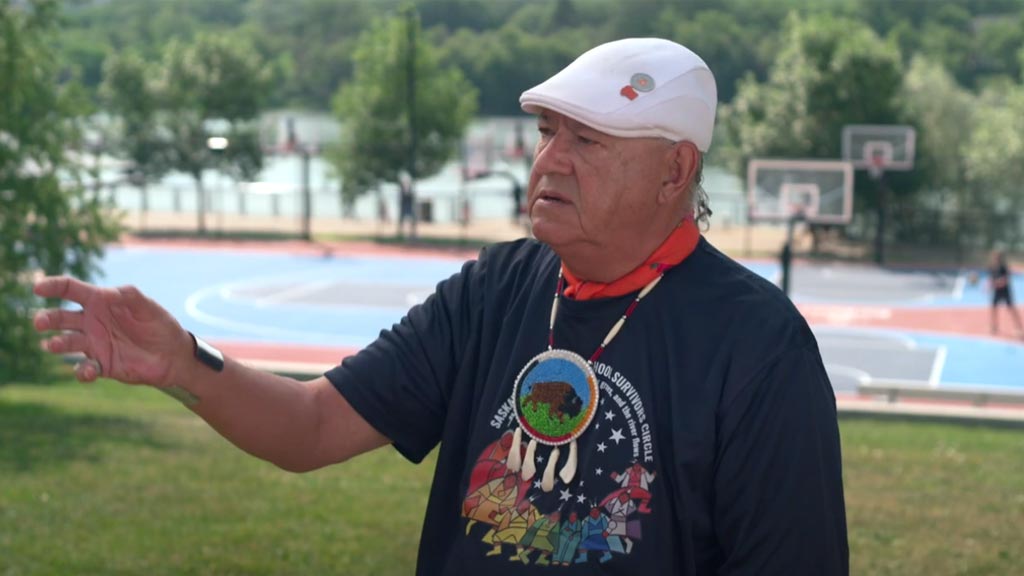
Michael Linklater, Amari Linklater, and Residential School Survivor Eugene Arcand talk about...
Provided by
National Centre for Truth and Reconciliation

Reconciliation and Sport: Iroquois Roots Rugby

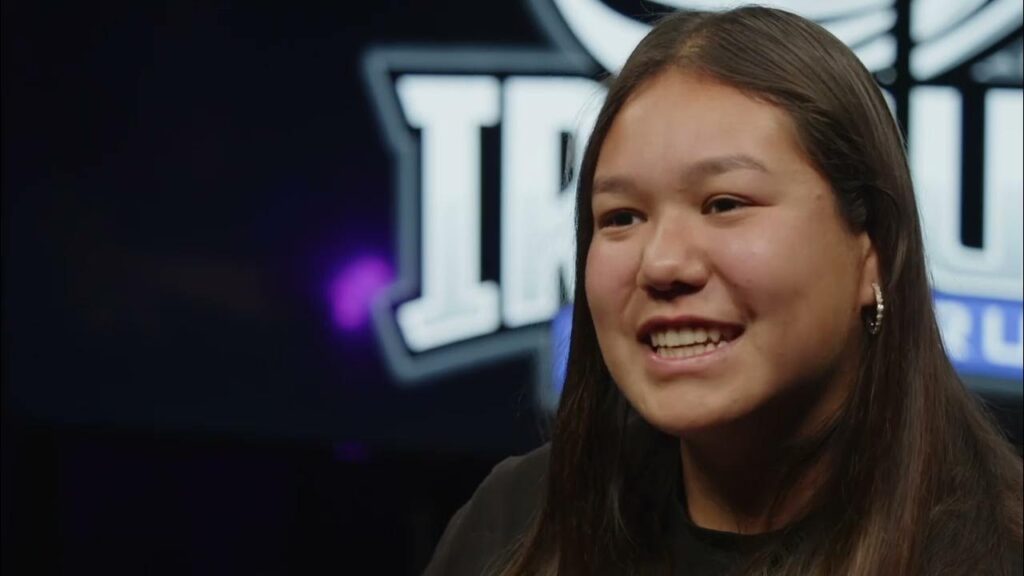
Co-founder Meagan Wilson and rugby player Rachel Miller talk about sport and...
Provided by
National Centre for Truth and Reconciliation

Reclaiming my Identity after 3 Generations of Residential Schools with Dickie

Survivor Francis Dickie Yuzicapi talks about the impacts of residential school on 3 generations...
Provided by
National Centre for Truth and Reconciliation

Reclaiming my Identity with Tagaaq

Survivor Tagaaq Evaluardjuk-Palmer talks about reclaiming his Indigenous name and cultural identity.
Provided by
National Centre for Truth and Reconciliation

The NCTR Eagle Staffs

Residential School Survivor Eugene Arcand and Director of Education Kaila Johnston talk about...
Provided by
National Centre for Truth and Reconciliation

Indigenous Heritage and Identity, Residential Schools History (ASL)

Elder and Survivor Larry Ahenekew shares how attending residential school meant...
Provided by
National Centre for Truth and Reconciliation

Indigenous Heritage and Identity, Residential Schools History

Elder and Survivor Larry Ahenekew shares how attending residential school meant losing his identity...
Provided by
National Centre for Truth and Reconciliation

Lasting Effects of Residential School and Working Toward Reconciliation

Duncan McCue (Kuper Island podcast) recounts the death of Richard Thomas at Kuper Island...
Provided by
National Centre for Truth and Reconciliation

Ground Penetrating Radar

Dr. Kisha Supernant and Dr. Ian Ferguson discuss the technical and...
Provided by
National Centre for Truth and Reconciliation

Residential School History and Survivors’ Stories

Survivors Andrew Carrier and ‘Ejinagosi’ Richard Kistabish share their residential school experiences...
Provided by
National Centre for Truth and Reconciliation

Indigenous Music, Songs, and Dance

Three Indigenous artists highlight their work and share their experiences through music and dance.
Provided by
National Centre for Truth and Reconciliation

Actions Toward Reconciliation and Indigenous Children and Youth

Madelaine McCracken (Caring Society) and Mary the Bear introduce a video...
Provided by
National Centre for Truth and Reconciliation

Identity and Heritage: Walking in Two Worlds

Survivor and Elder Laurie McDonald shares their life story and the meaning of walking in two worlds...
Provided by
National Centre for Truth and Reconciliation

Indigenous Languages (ASL)

Two language educators share their teaching experiences and highlight the importance of...
Provided by
National Centre for Truth and Reconciliation

Indigenous Languages

Two language educators share their teaching experiences and highlight the importance of...
Provided by
National Centre for Truth and Reconciliation

Indigenous Music and Songs

Artist Cody Coyote talks about his music and how it is meant to evoke discussion...
Provided by
National Centre for Truth and Reconciliation

Indigenous Heritage and Identity

Michael R. Denny shares the importance of Mi’kmaq ceremonies for his people. Galt Museum guest curator...
Provided by
National Centre for Truth and Reconciliation

Indigenous Stories and Books (ASL)

Features a short film about a child who ran away from residential school to be near his mother and family.
Provided by
National Centre for Truth and Reconciliation

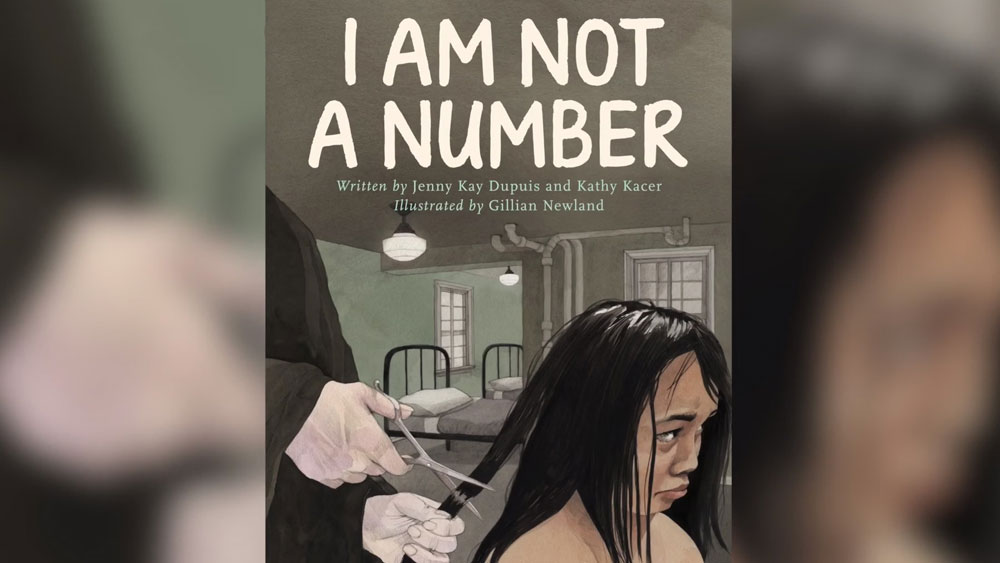
Indigenous Stories and Books: I am Not a Number

Features a short film about a child who ran away from residential school to be near his mother and family.
Provided by
National Centre for Truth and Reconciliation